


SCIENTIFIC OVERVIEW
Addressing cardiometabolic morbidity from elevated cortisol.
Cortisol is a natural glucocorticoid produced by the adrenal glands that plays a crucial role in regulating metabolism, the immune system, and the body's response to stress.
Elevated cortisol causes broad cardiometabolic morbidity.
At the normal level, cortisol contributes to glucose homeostasis in multiple ways. However, when elevated, cortisol acts across different organ system pathways to decrease insulin production, increase insulin resistance, and increase gluconeogenesis (Figure 1).
In patients with diabetes, elevated cortisol and drives treatment resistance and comorbidities.

Figure 1 - Pathways by which elevated cortisol impairs glucose control and drives treatment resistance

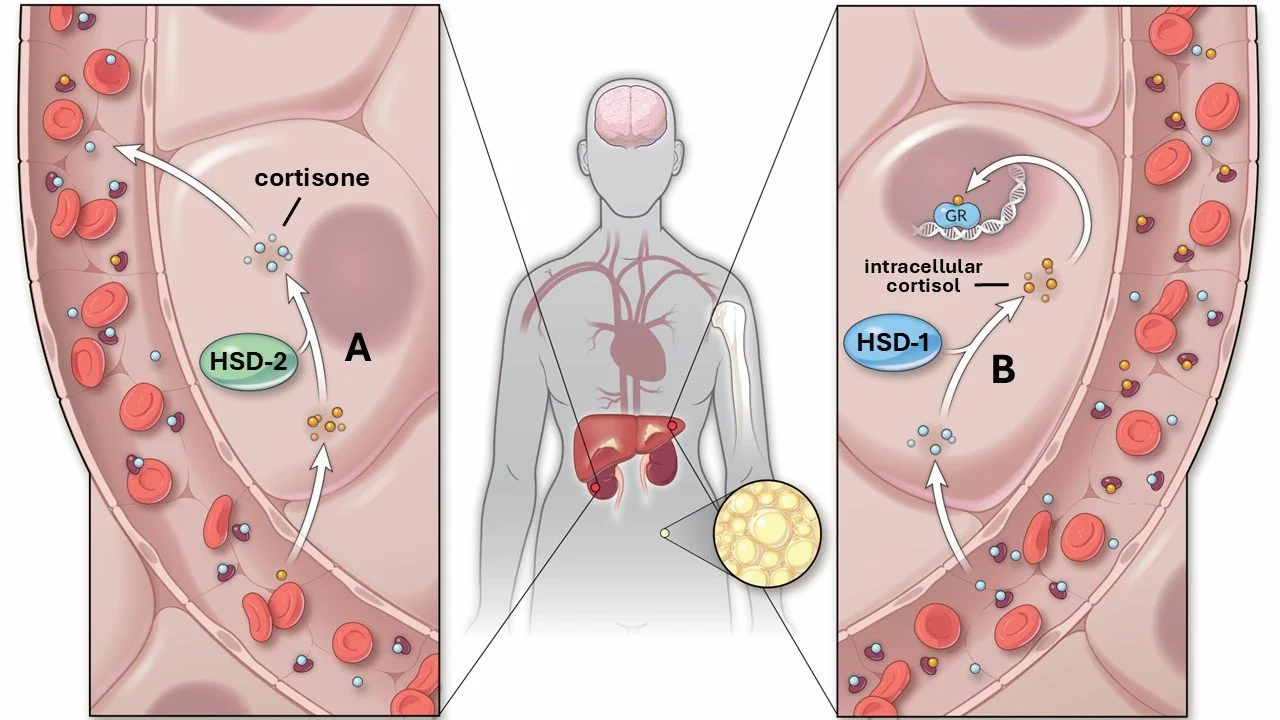
Figure 2 – Intracellular regulation of cortisol by HSD-1 and HSD-2
A new understanding of cortisol regulation.
Cortisol’s effects are mediated exclusively by interaction with intracellular glucocorticoid, mineralocorticoid, and non-genomic receptors. Thus, only intracellular cortisol has biological effects.
Cortisol is synthesized de novo in the adrenal gland. When cortisol enters mineralocorticoid-sensitive tissues such as the kidney distal tubule, it is efficiently inactivated by the enzyme 11β-hydroxysteroid dehydrogenase type 2 (HSD-2) to the inert substance cortisone (Figure 2, A). Cortisone formed by HSD-2 enters circulation and then enters metabolically active tissues such as the liver, pancreas, muscle, and adipose. In those tissues, clofutriben’s target 11β-hydroxysteroid dehydrogenase type 1 (HSD-1) reactivates cortisone to intracellular cortisol (Figure 2, B) in proximity to glucocorticoid receptors.
In this way, intracellular cortisol is regulated by the enzymes HSD-1 and HSD-2. HSD-1 converts inactive cortisone to active cortisol, while HSD-2 does the reverse.
How we’re modulating intracellular cortisol to improve metabolic health…
By utilizing a therapy that inhibits HSD-1, we can block the activation of cortisone to cortisol and thereby lower intracellular levels of cortisol in key metabolic tissues to reduce many of the adverse effects of elevated cortisol. Our lead candidate, clofutriben, is a once-daily, oral HSD-1 inhibitor being developed for the millions of patients with inadequately controlled type 2 diabetes and other high need cardiometabolic indications. HSD-1 inhibition is a novel mechanism that complements existing agents by addressing a distinct underlying driver affecting multiple pathways to elevated glucose and broad metabolic morbidity.

HSD-1 inhibition can reduce the ratio of active cortisol to inactive cortisone in the liver by 90%¹
… and address treatment resistance.
Many patients with cardiometabolic disease remain unable to achieve adequate disease control even with the best therapies available today, including GLP-1 agonists and even injected insulin. Recent research points to elevated cortisol as a prevalent yet hidden driver of treatment resistance. By lowering intracellular cortisol, clofutriben targets biological processes that current agents don’t address, potentially helping patients regain control of their disease when other options fall short.
Metabolic morbidity from elevated cortisol is pleotropic and can cause or exacerbate diabetes, hypertension, obesity, osteoporosis, hyperlipidemia, MASH, and more.

Diabetes

Impaired Healing

Weight Gain

Depression

Heart Disease

Insomnia

Bone Fractures

Glaucoma

Muscle Weakness

Memory Loss
Exploiting the demonstrated potential of HSD-1 inhibition.
Several HSD-1 inhibitor candidates previously reached Phase 2 clinical trials with no significant class side effects observed. HSD-1 inhibitors were generally found to be safe and well-tolerated, as well as highly successful in engaging their targets and lowering intracellular cortisol levels.
However, the efficacy seen in conditions like type 2 diabetes was similar to available generic antidiabetic agents.
Sparrow is taking a different approach, with a better molecule.
With improved pharmacodynamic properties, clofutriben is poised to overcome drawbacks that hindered early HSD-1 inhibitors.
Because HSD-1 inhibition would be expected to provide the greatest benefit to patients in whom elevated cortisol exacerbates or causes their disease, clofutriben could be the ideal agent for patients with difficult-to-control disease in whom elevated cortisol has recently been shown to be a common underlying driver of treatment resistance and comorbidities.

¹ Liu, Wei, et al. American College of Clinical Pharmacology, 2013. https://accp1.onlinelibrary.wiley.com/doi/pdf/10.1002/cpdd.5.